Hi and welcome back to a fresh installment of Bookmarked, the Downtime author interview series.
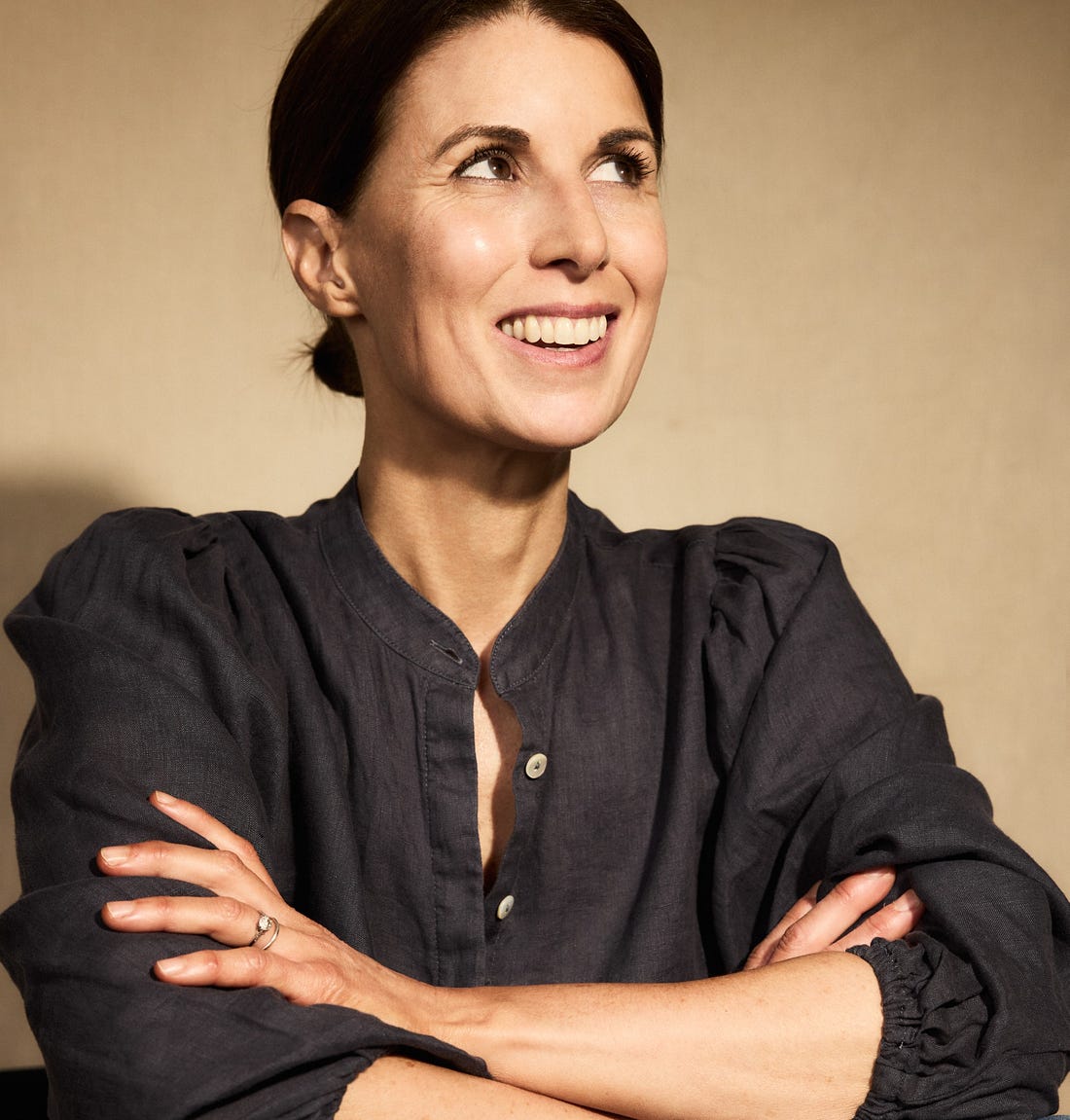
I’m so, so pleased to share today’s interview with you, as Meg Mason has been one of my favorite writers since I first read her book Sorrow and Bliss. Meg has such a beautiful way of writing about challenging subjects like mental health with such clarity, humor, and tenderness.
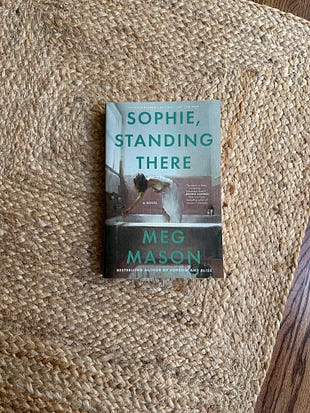
Her latest novel, Sophie, Standing There, which was published this past Tuesday, is no exception. In it, protagonist Sophie grapples with loneliness, connection, and self-worth as she navigates life after a breakup while working at a literary festival. [See my full book review here.]
Below, I’ve asked Meg to share with us a bit about her writing process, reading rituals, and, of course, her best book recs. Enjoy!
Under the paywall today: The novel Meg says becomes everyone's favorite after 40, the book that makes her laugh (and weep) every single time, and Meg’s 3 Good Things.
Hi, Meg! What inspired Sophie, Standing There?
After the publication of my previous novel, Sorrow and Bliss, I found myself on the literary festival circuit. I’d never done one before, and suddenly, it felt like festivals were all I did, for the next almost-three years. I was never on stage or in the wings, consciously gathering material, but when I finally got back to real life – and I always resent it when authors say this, but it really was true – the novel started writing itself. The key is, the story isn’t from the perspective of some famous author. It’s told by a shy festival staffer, a sound tech (and booklover) Sophie, who observes the literary world from off to one side.
I know many of us loved Sorrow and Bliss. Did you find any connective threads between the two books as you were writing, or are they quite different in your head?
I never considered Sorrow and Bliss ‘sad girl fiction’. In fact, I’d never heard the term (was it even around?) in 2019 when I was writing it. And truthfully, it isn’t a label I love, as either a writer or a reader, I just find it so diminishing. So, in part, this novel is a reaction to it – Sophie being the most optimistic, cheerful and stoic woman whose chief concern is the happiness of everyone around her. And she was, consequently, a joy to spend my working days with.
What made you a reader? Is there a specific moment in your life, or have you always been a big reader?
I didn’t read a book voluntarily until I was 18, which makes me a late starter (amongst authors at least). The book that got me there was Emma, which I was given in my final year of high school. Before that, I didn’t know classics could be funny – rarely do their covers suggest there’s humour to be found inside – and it was a revelation. Within a few weeks, I’d changed my university enrollment to English literature.
I loved reading about how you developed Sophie’s character for the novel. At what point does a character feel fully fleshed out to you in the writing process?
I start and abandon a lot of manuscripts before I come to the book I really should be writing. The sign it’s time to give up on something is that I haven’t been able to figure out who the character is, as though I don’t really know them. From the first sentence, I knew exactly who Sophie was, down to what she ate, and wore, what her apartment looked like, how she spoke, how she moved through the world. That’s why the novel was so easy and, by my standards, fast to write.
What does your reading routine look like?
I live in a high-density part of Sydney and there is always a lot of noise. But, like most writers, I need silence to work. The only way to find it is getting up at 4.30am, to be at my desk by 4.45am (showered, properly dressed). When I first took up the practise, it was torture – I felt permanently jet-lagged and wanted dinner at 2pm – but eventually I acclimatised, and now I couldn’t write fiction any other way. It’s like you have the entire world to yourself, you’re a little wistful when the sun comes up.
How do you like to read?
To a lot of people, books are sacred. They treat them so carefully, which I think is perfectly lovely. But any book I buy has an incredibly rough time. To me, it’s just paper, so I’ll write all through it, if I want to mark a line and there’s no pen nearby, I’ll make a little tear in that page. By the time I’m done, it will have coffee spills, water stains, sand between the pages, but it’s because I never want to be without a book, so it comes with me everywhere. (Which is also why I don’t borrow books, because I’d be returning them in tatters.) E-readers, no, but only because they don’t survive spills.
What’s your ideal/fantasy reading setup?
On Sundays, my husband and I meet on the sofa at 3pm to read until dinner. He’s at one end, I’m at the other. In my dream scenario, it’s raining, and there is (in actuality) wine. [Ed Note: This sounds like heaven!]
Do you have a favorite indie bookstore? Why do you love it?
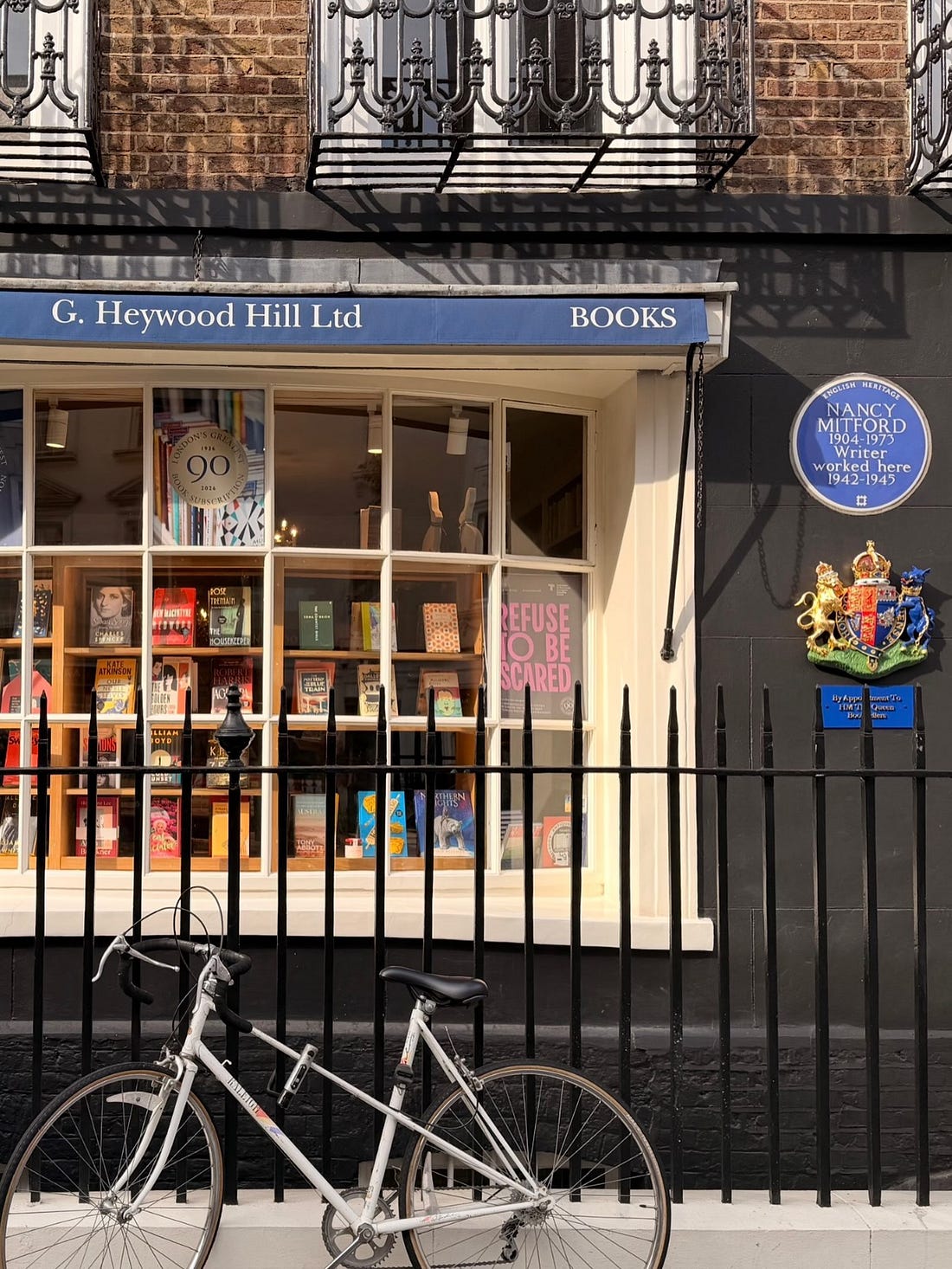
Every time I go to London, my first stop is Heywood Hill bookshop, in Mayfair. Nancy Mitford, one of my favourite writers of all time, worked there during the war, so for me, it’s like making a pilgrimage to Lourdes.
What have you been reading lately and loving?
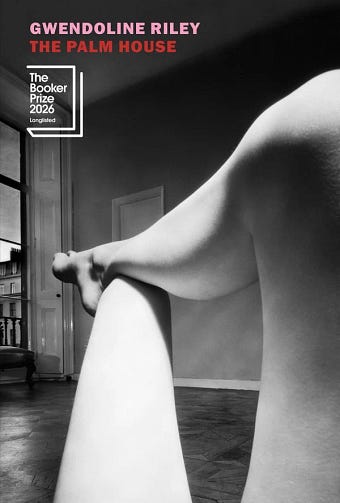
Since it came out this year, I think I’ve bought six copies of The Palm House by Gwendolyn Riley, to give to friends. When it was longlisted for the Booker, I was so incredibly pleased. Like, I knew I was right…
Whose writing do you adore—and would read most or all of their work?
I think there’s only one Hilary Mantel I haven’t read at this point. I started with all her pre-Wolf Hall novels (working up to that one). I love them all, and find Mantel herself inspiring, not just as a writer but as a person; everything she endured, a lifetime of chronic pain, and she never stopped working.
What books or authors have influenced you as a writer?
I live in Sydney now, but I was born in Aotearoa New Zealand and it’s still my spiritual home. Janet Frame is one of that country’s most famous authors, and the way she explores and captures the idea of home and homesickness, is so meaningful to me.
What 2-3 books do you feel should be “required reading” in schools?





Nema komentara:
Objavi komentar