We've always believed you can never have too many books in your TBR pile — different moods call for different stories, after all! Whether you’re adding to your reading list or wondering what to pick up next, we hope these recommendations inspire you.
With cooler, drier months ahead, our skin is craving a little extra hydration. We’re turning to evanhealy, the world’s first Regenerative Organic® beauty brand, for nourishing oils and restorative serums that help keep skin soft and hydrated all season long. We also love that we can shop our favorites on Shop, making it easy to keep track of what we love and quickly restock when we’re running low.
🎥 October watchlist: Save this list of movies, ranked from cozy to creepy, to help get in the spirit this week.
💼 For job seekers: Explore the Inclusive Mental Health Job Board for a diverse range of career opportunities for mental health professionals.
📝 A good question: Whether person, pet, or place — who is the great love of your life?
From Stephanie Fallon, Contributing Editor
"We recently shared the soundtrack to "Over The Garden Wall," one of my favorite fall shows, which I rewatch every autumn. If you're looking for something wholesome, weird, with a huge dose of heart, this 10-part miniseries features episodes that are only 10 minutes each. Perfect for a quick show before bed!" [Check it out]
One reader's reco:
"One thing I wanted to share is a luxury candle company two of my friends started up called Relume Hope. They started Relume to create career pathways for newly resettled refugees here in the PNW who were struggling to find work. Helping them learn English, establish work history, and find belonging in their new home. Obviously these are my friends and I'm very biased, but their candles are amazing - wax made from 100% U.S.-grown soybeans, phthalate-free fragrances, cotton wicks, and each candle is hand-poured into recycled Spanish glass jars made to be reused."
A little good, every morning.
The Daily Good is a morning letter from the women-led team behind The Good Trade, an independent media company based in Los Angeles. We’re on a sincere mission to help you care for yourself, your community, and the planet—with thoughtful essays, considered product recommendations, and daily doses of delight. Meet our editors! 👋
💌 Stay connected. Add hello@thegoodtrade.com to your contacts to help our letters reach your inbox.
💬 Hit reply with content ideas, good news, musings, feedback, or encouragement—we read every note!
🤝 How we’re funded: Brand partnerships, affiliate commissions, and paid subscriptions to select essays help sustain the work of our small team and keep The Daily Good free. Thank you for your support!
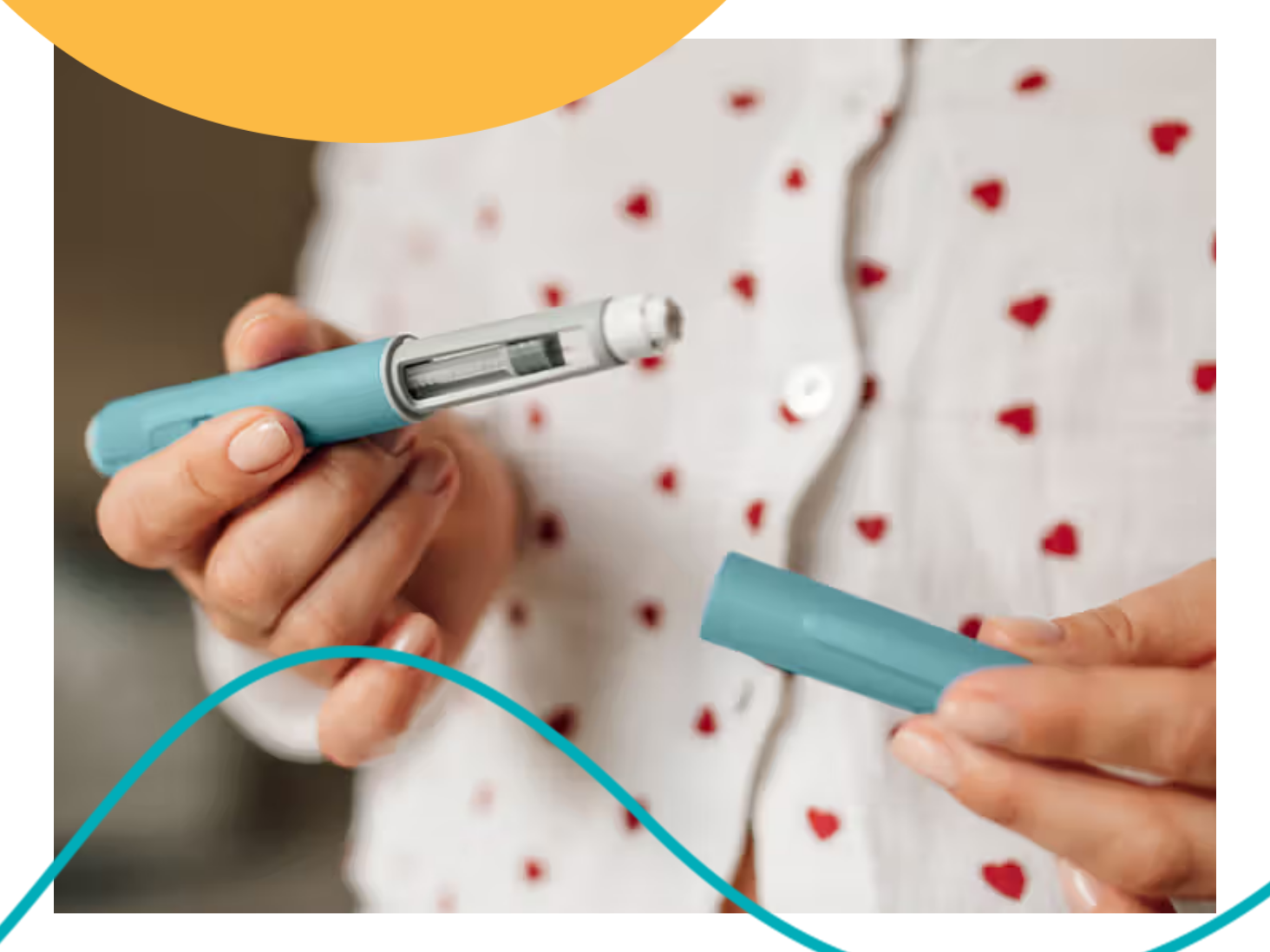
I don’t know about you, but GLP-1 marketing is almost everywhere I go. I’ve passed Wegovy billboards while riding the train, I see Zepbound ads on the TV at the gym, and I get sponsored content whenever I’m scrolling on Instagram.
As these weight loss medications grow in popularity, new research is coming out around potential side effects, unexpected benefits, and other ways they can affect your health — and our News team covers it all. You might miss these updates unless your doctor shares them with you or you actively seek this information on your own.
Below, find the latest news you need to know if you’re currently taking or considering starting a GLP-1. (Our editors picked these articles just for you!)
⚠️ “Hidden” side effects of GLP-1 drugs: A recent study used self-reported Reddit data to examine the real-world effects of these medications beyond the disclaimers we see in ads and marketing. The research found various “hidden” side effects, such as menstrual irregularities, chills, hot flashes, and fatigue. (Read more about what the researchers discovered.)
🧠 Potential mental health benefits of GLP-1s: Researchers are increasingly interested in examining the effects of GLP-1 medication beyond weight loss and diabetes management. Recent studies have shown positive benefits for reducing impulsivity and violent behaviors and managing depression, anxiety, and binge eating disorder. (Read more about how these drugs may support mental well-being.)
👀 A new self-reported side effect: GLP-1 users have reported various unusual side effects, like “Ozempic teeth,” “Ozempic butt,” and “Ozempic personality.” Now, fingernails have entered the chat. According to a new study, nail detachment and discoloration may be four times more common among people taking these drugs. (Read more about this research and how to protect your hair and nails while using a GLP-1.)
🏥 Generic Mounjaro, Zepbound may be coming soon: Federal regulators have agreed to review applications for two cheaper generic versions of the tirzepatide medications. The Food and Drug Administration (FDA) hasn’t specified how long this process will take, but on its website, the agency states that it typically completes reviews of standard drug applications within 10 months. (Read more about what this means for affordability and access.)
🌟Actor Mayim Bialik shares her “nightmare” GLP-1 experience: Of course, there are many success stories and people who have minimal side effects. But Mayim Bialik is not one of them. After one low dose injection, she said she began to experience gastrointestinal symptoms that left her unwell for weeks. “To say I had an adverse reaction would be somewhat of an understatement,” she says. (Read more about why she turned to GLP-1s and how her autoimmune disease symptoms may have exacerbated her side effects.)
🫀 One way to lower your heart health risk: GLP-1 medications like semaglutide and tirzepatide have reshaped care for people with type 2 diabetes (T2D), but recent real-world evidence suggests these drugs may differ in the level of heart protection they offer. For example, an observational study found that people with T2D who increased their Ozempic dosage had a lower risk of major adverse cardiovascular events (MACE) compared to those who switched to Mounjaro. (Read more about how different GLP-1s can affect your heart.)
⚖️ Trial finds two strategies to maintain weight loss results: A popular concern after stopping GLP-1 medications is regaining weight. One study suggests that structured support, such as using wellness apps or eating meals developed by dietitians, may help minimize the weight regain that can occur shortly after discontinuing use. (Read more about this study and what the findings mean for maintaining weight loss after GLP-1s.)
To find other news you may have missed, visit our News page below.
✉️ Over to you: Which themed news roundup would you like to see next? Nutrition, fitness, cancer, or something else? Email wellnesswire@healthline.com to submit your request.
Stay on top of GLP-1 news and the latest health and wellness stories. Sign up to get our newest articles sent straight to your inbox with one click below.
We may feature your messages to our inbox within our content. Please do not provide any personal identifiable information. Replies may be edited for length and clarity. For more, see our Privacy Policy.
Our website services, content, and products are for informational purposes only. Healthline does not provide medical advice, diagnosis, or treatment and should not be used as a substitute for medical advice from a healthcare professional. Healthline encourages you to make any treatment decisions with your healthcare professional.
Every product we recommend has gone through either Healthline’s or Optum Now’s vetting processes. If you buy through links on this page, we may receive a small commission or other tangible benefit. Healthline has sole editorial control over this newsletter. Potential uses for the products listed here are not health claims made by the manufacturers. Healthline and Optum Now are owned by RVO Health.