It’s full of fat, but is it the good or bad kind?
͏ ͏ ͏ ͏ ͏ ͏ ͏ ͏ ͏ ͏ ͏ ͏ ͏ ͏ ͏ ͏ ͏ ͏ ͏ ͏ ͏ ͏ ͏ ͏ ͏ ͏ ͏ ͏ ͏ ͏ ͏ ͏ ͏ ͏ ͏ ͏ ͏ ͏
|
|
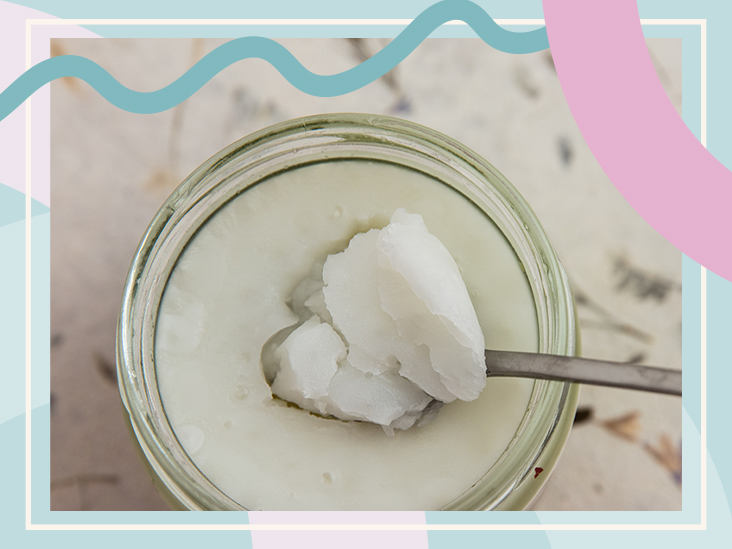
Coconut oil is a popular cooking oil that’s solid at room temperature and has a subtle coconutty taste. Personally, I love the hint of flavor that it brings to certain foods, especially pancakes.
It has grown in popularity in recent years and is often touted for its purported benefits. However, it’s also high in saturated fat, which has sparked much debate over how healthy it really is. Below, Kirsten Seele, a registered dietitian at Healthline, weighs in. |
|
|
|
|
|
|
Let’s look into it,
Tim Snaith
Newsletter Editor, Healthline |
 |
|
Written by Tim Snaith
July 30, 2026 • 3 min read |
|
|
|
|
 |
|
|
| Q: |
What’s up with coconut oil? I’ve heard it’s high in saturated fat. I’ve also heard that it isn’t like other saturated fats. |
|
| A: |
Coconut oil is one of the most common foods I’m asked about. It’s likely the most controversial, too, since there are mixed results on its healthfulness. Whether we should add coconut oil to our diets or remove it entirely is inconclusive — and that’s OK! This is science after all, and it is ever-evolving.
There’s probably room in your diet for some coconut oil; however, because it’s high in saturated fat, it’s best consumed in moderation.
Saturated fat increases low-density lipoprotein cholesterol (aka “bad” cholesterol), which increases the risk of heart attacks and strokes. (Pro tip: Saturated fats are solid at room temperature — think butter, lard, and coconut oil.) Most fat-containing foods have at least some saturated fat, but it’s generally highest in animal products. However, certain plant oils, like coconut and palm oil, are also high in saturated fat.
The American Heart Association (AHA) recommends consuming no more than 6% of daily calories from saturated fats, and the current Dietary Guidelines for Americans recommends no more than 10%.
If you’re following a 2000-calorie-per-day diet, 6 to 10% of it would equal 120 to 200 calories. (Fun fact: All fats contain 9 calories in every 1 gram [g].) So, 120 to 200 calories divided by 9 g per calorie equals 13 to 22 g of saturated fats daily. For someone with heart disease or at risk for heart disease, I would recommend aiming for the lower end of the range.
Like any “budget,” you can choose what you want to spend your daily saturated fat allotment on, including coconut oil. That’s what moderation is all about! But it’s important to note that, generally, one tablespoon of coconut oil contains almost 12 g of saturated fats, which could use up the majority of your budget for the day.
One thing I often hear is, “But wait, isn’t coconut oil better for us than butter, since it’s not an animal product?!” In theory, coconut oil could be less harmful because it does not contain cholesterol and is composed of medium-chain triglycerides rather than long-chain triglycerides, as in animal products. Your body processes these triglycerides differently, and some studies suggest that medium-chain triglycerides may help you manage metabolic conditions such as diabetes. However, the evidence isn’t clear on this point.
Coconut oil is also often touted for its health benefits and antimicrobial properties. It’s said to help with weight loss, oral health, skin health, and more. However, studies show inconsistent results.
Moderation is often key for optimal health in the long term, and the answer for coconut oil right now is no different. If you want to add it to your diet for the potential benefits mentioned above, I want you to feel empowered to do so. Just keep moderation in mind! |
|
|
|
| Kirsten Seele, Registered Dietitian |
|

RECIPE PICKSausage, Mushroom, and Zucchini FrittataA keto-friendly, gluten-free classic with shredded veggies that works well for breakfast or brunch.GET THE RECIPE →
|
|
|
|
| Read all about it |
| |
|
|
| |
|
|
|
| What we’re digesting |
| 🥬 MASH: The diet that can calm a fatty liver. A gastroenterologist explains how far the damage can be reversed. |
| 💊 5 signs it’s time to switch migraine meds. When a once-reliable treatment quietly stops working. |
| 🤕 Does Zepbound give you headaches? Not directly, but its other side effects can |
| ☕ We put Seed’s caffeine-free energy pill to the test. Coffee diehards on whether it beats the afternoon slump. |
|
| Until next time, |
 |
Take care of yourself, and we’ll see
you again soon! |
|
|
| |
 |
| This edition was powered by |
| popcorn.️ |
|
|
|
|
|
|
View in browser
Did a friend send you this email? Subscribe here.
To see all newsletters, click here.
Privacy | Unsubscribe
We may feature your messages to our inbox within our content. Please do not provide any personal identifiable information. Replies may be edited for length and clarity. For more, see our Privacy Policy.
Our website services, content, and products are for informational purposes only. Healthline does not provide medical advice, diagnosis, or treatment and should not be used as a substitute for medical advice from a healthcare professional. Healthline encourages you to make any treatment decisions with your healthcare professional.
Every product we recommend has gone through either Healthline’s or Optum Now’s vetting processes. If you buy through links on this page, we may receive a small commission or other tangible benefit. Healthline has sole editorial control over this newsletter. Potential uses for the products listed here are not health claims made by the manufacturers. Healthline and Optum Now are owned by RVO Health.
© 2026 RVO Health
1101 Red Ventures Drive
Fort Mill, SC 29707 |
|
|
 |
|





Nema komentara:
Objavi komentar