|
|
|
|
|
|
| Q |
|
Are there any supplements that can help manage menopause symptoms? |
|
|
| A |
|
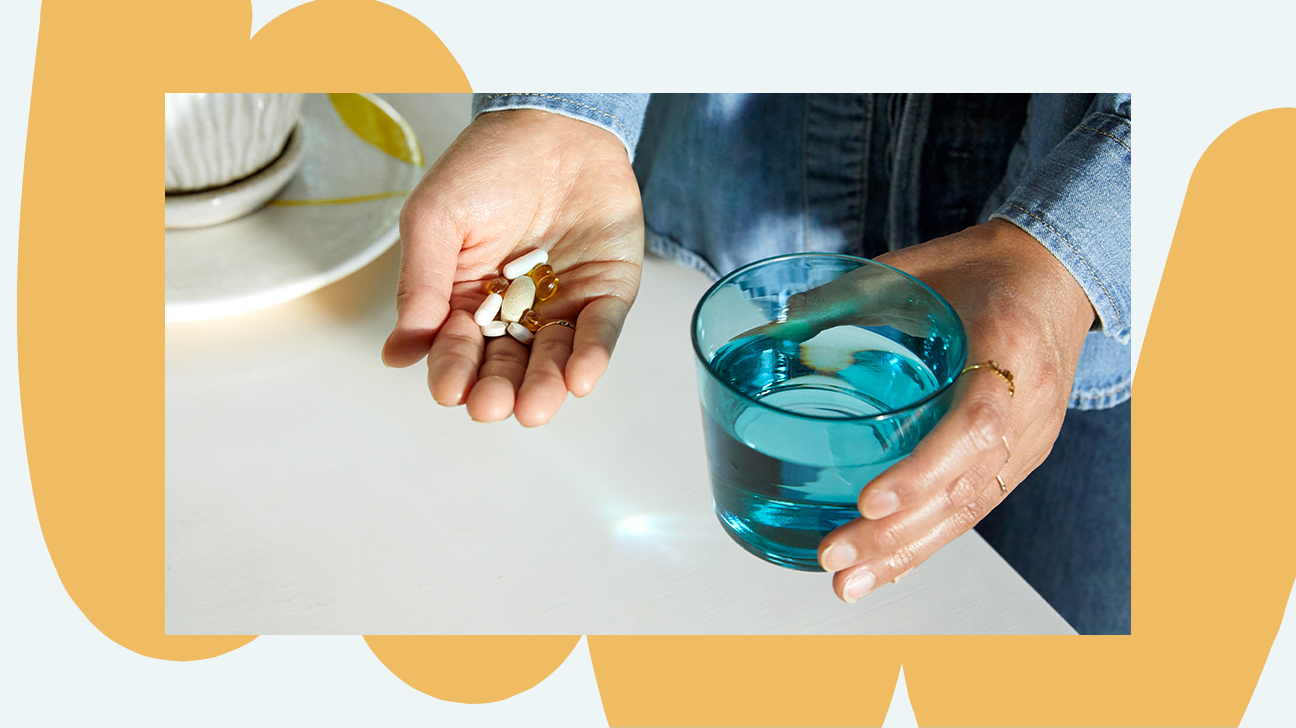
While hormone therapy remains the most effective treatment for menopause, many people are interested in supplements and natural approaches. Here’s what the current research tells us about the most commonly discussed options.
1. Black cohosh
Black cohosh is one of the most popular herbal supplements marketed for menopause, though the evidence on its effectiveness is mixed. Some meta-analyses of clinical trials have found that black cohosh extract (at doses of 40 to 120 mg per day) can reduce hot flashes and overall menopausal symptom scores compared to placebo.
A recent systematic review conducted for the International Menopause Society rated the evidence for black cohosh as moderate-certainty for improving vasomotor and overall menopausal symptoms. Black cohosh is generally well tolerated, though rare cases of liver toxicity have been reported. Because herbal supplements are not regulated the same way as prescription medications, the quality and potency of products can vary. Anyone considering black cohosh should look for standardized extracts and discuss it with their healthcare professional.
Anyone considering black cohosh should look for standardized extracts and discuss it with their healthcare professional.
2. Vitamin D
Vitamin D plays an important role in bone health, which becomes especially relevant after menopause when the risk of osteoporosis increases. The European Menopause and Andropause Society recommends that postmenopausal women maintain adequate vitamin D levels, noting that deficiency is associated with low bone mass and increased fracture risk.
When combined with calcium, vitamin D supplementation of 800 to 2,000 international units (IU) per day has been shown to help preserve bone density and may reduce the risk of hip fractures, particularly in older women and those with significant vitamin D deficiency. Vitamin D alone does not appear to reduce hot flashes, improve mood, or help with sleep. However, some research suggests that higher doses may be beneficial for vulvovaginal dryness.
Most experts recommend getting vitamin D levels checked and aiming for a blood level of at least 20 nanograms per milliliter (ng/mL). Dietary sources include fortified milk, fatty fish, and egg yolks, but supplementation is often needed, especially in people with limited sun exposure.
3. Calcium
Calcium works alongside vitamin D to support bone health during and after menopause. The recommended daily intake for women over 50 is 1,200 milligrams (mg) per day, ideally from food sources like dairy products, leafy greens, and fortified foods. When dietary intake falls short, supplements can help fill the gap.
Research from large clinical trials shows that calcium combined with vitamin D can modestly reduce fracture risk. However, calcium supplements in excess of what is needed have not been shown to provide additional benefit and may slightly increase the risk of kidney stones. For this reason, getting calcium from food is generally preferred over high dose supplements.
4. Red clover
Red clover is a source of phytoestrogens, plant compounds that have a chemical structure similar to estrogen and can mimic some of its effects in the body. It has been studied for menopause symptoms and is generally considered safe, but the research remains limited and inconclusive.
5. Vitamin E and omega-3 fatty acids
Some smaller studies suggest that the combination of vitamin E and omega-3 fatty acids may help reduce the intensity of hot flashes. Vitamin E has also been studied for its potential mild estrogen-like effects. However, the evidence is still limited, and these supplements are not currently recommended as standard treatments for menopause symptoms. They do have other general health benefits, including supporting heart and skin health.
6. Flaxseed
Flaxseed is a rich source of lignans, a type of phytoestrogen. Some research suggests that flaxseed may help reduce perimenopausal symptoms, though the evidence is not strong enough to make firm recommendations. Ground flaxseed can easily be added to smoothies, yogurt, or oatmeal and is a good source of fiber and healthy fats, regardless of its effects on menopause.
Keep in mind: Supplements are not regulated as strictly as prescription medications, which means quality, purity, and potency can vary between brands. Always look for products that have been independently tested by organizations such as the United States Pharmacopeia (USP), NSF, or ConsumerLab.
No supplement has been shown to be as effective as hormone therapy for managing moderate to severe menopause symptoms. Supplements may be most helpful for individuals with mild symptoms or those who cannot or prefer not to use hormones.
Before starting any supplement, it is important to talk with a healthcare professional, especially for those with a history of breast cancer, liver disease, blood clotting disorders, or those taking prescription medications that could interact with supplements. |
|
|
|
|
|
|
| Do you have any other questions for our menopause experts? Let us know at menopause@healthline.com, and the answer may be featured in an upcoming edition! |
|
|
|
|
|
|
|
|
| HEALTHY TIP |
| A probiotic may help with menopausal bloating |
Some people find that taking probiotic capsules, powders, or drinks can help support gut health, vaginal health, mood, and energy levels. For those experiencing bloating caused by hormonal shifts, a probiotic could be worth considering. We’ve vetted and tested the best for every need. Find out which probiotic our tester picked as her favorite. Supplements including ginseng, black cohosh, and pine bark extract are often touted as natural remedies that may help with perimenopause symptoms. However, science-backed research on their effectiveness is lacking.
If you’re interested in natural approaches, the age-old practice of yoga may offer relief for menopause-related insomnia, mood changes, and even hot flashes. |
|
|
|
|
|
|
|
  |
|
|
 |
|
|
| We may feature your messages to our inbox within our content. Please do not provide any personal identifiable information. Replies may be edited for length and clarity. For more, see our Privacy Policy. |
Healthline, Optum Now, and their respective logo(s) are trademarks of RVO Health, LLC.
All other trademarks are the property of their respective owners.
© 2026 RVO Health, LLC. All Rights Reserved.
1101 Red Ventures Drive, Fort Mill, SC, 29707 |
|
|
|





Nema komentara:
Objavi komentar