The surprising science and benefits of doing nothing.
͏ ͏ ͏ ͏ ͏ ͏ ͏ ͏ ͏ ͏ ͏ ͏ ͏ ͏ ͏ ͏ ͏ ͏ ͏ ͏ ͏ ͏ ͏ ͏ ͏ ͏ ͏ ͏ ͏ ͏ ͏ ͏ ͏ ͏ ͏ ͏ ͏
| | | | I was often very bored as a child. I kept it at bay by diving into books, messing around with science sets, and playing computer games (back when you got bored waiting for them to load). I doodled on printout paper my mum bought back from work and listened to hour after hour of music on the radio or on cassette tapes recorded by my friends.
Looking back, avoiding boredom motivated me to be less boring and to find fascinating things to bore other people about later. Could it be that some of us are now so starved of boredom that it might be doing us harm? | | | | | | | This could get interesting,
Tim Snaith
Newsletter Editor, Healthline |  | | Written by Tim Snaith
March 25, 2026 • 2.5 min read | | | | | | | |
| |  | | | | When was the last time you were bored? | | About 9 in 10 American adults own a smartphone, and about 4 in 10 say they're online almost constantly, according to 2026 Pew Research. Among adults 65 and older, smartphone ownership has jumped from 61% to 76% in just a couple of years. Most of us spend our waking lives with a device designed to eliminate idle moments. | | We treat that phone habit as an overstimulation problem. Too many notifications, too many apps, too much noise. But neuroscience suggests something different. The problem may be that we're getting too little of something else: good old-fashioned, uninterrupted boredom. | | When you're focused on a task, your brain's attention networks are running at full power. When stimulation drops — while you're waiting in a queue, staring out a window, sitting with nothing to do — those networks quiet down and something called the default mode network takes over. | | This is a web of brain regions involved in daydreaming, self-reflection, and making unexpected connections between ideas. A 2025 review found that this network appears to drive creative thinking. | | A large 2025 study spanning 5 countries with more than 2,400 participants confirmed that creativity can be reliably predicted by how dynamically the brain switches between the default mode network and the executive control network. The more switching between systems, the more creative the thinking. It looks like your brain does some of its most interesting work when you give it nothing to work on. | | Every time we reach for our phones to fill a dull moment, we interrupt that process. Each swipe trains the brain to expect a dopamine hit on demand, and our threshold for tedium drops. | | Two recent trials tested what happens when people break this cycle. A 2025 randomized controlled trial asked 467 adults to block internet access on their phones for 2 weeks. More than 90% improved on at least one measure of attention, mental health, or well-being. | | A separate 2025 trial found that limiting phone time to 2 hours a day for 3 weeks reduced stress, depressive symptoms, and sleep problems. The benefits lasted 6 weeks after the trial ended. | | Age matters | | Boredom follows a U-shape across a lifetime. It peaks in adolescence, drops through the busy midlife years, then rises again after retirement, particularly when health or mobility reduces the range of activities available. | | That post-retirement rise in boredom carries a specific risk — and it depends on your mindset. A 2025 study of nearly 2,500 older adults in Germany found that simply expecting aging to be boring predicted greater loneliness independently of depression or physical health. | | But research suggests the opposite is also true: people who respond to boredom proactively, rather than giving in to it, show improved brain activity. Coping with boredom is a skill that can be learned and practiced. | | Research on children and boredom highlights a principle that works just as well at 65 as it does at 6: don't eliminate boredom, allow yourself to do something with it. | A few evidence-backed ideas: - Leave your phone in another room for an hour.
- Take a walk without headphones.
- Keep a sketchpad, a puzzle, or a book within reach.
| | The goal is to stop filling every gap in your life with someone else's content and ideas. Then you can discover what your brain comes up with instead. Your brain already knows how to do this. You just have to let it get bored enough to start. | | | | Over to you: When was the last time you were bored (hopefully not while reading today's newsletter)? Let us know at wellnesswire@healthline.com. | | | | | | | | | Welcome inconvenience | | | | | | | 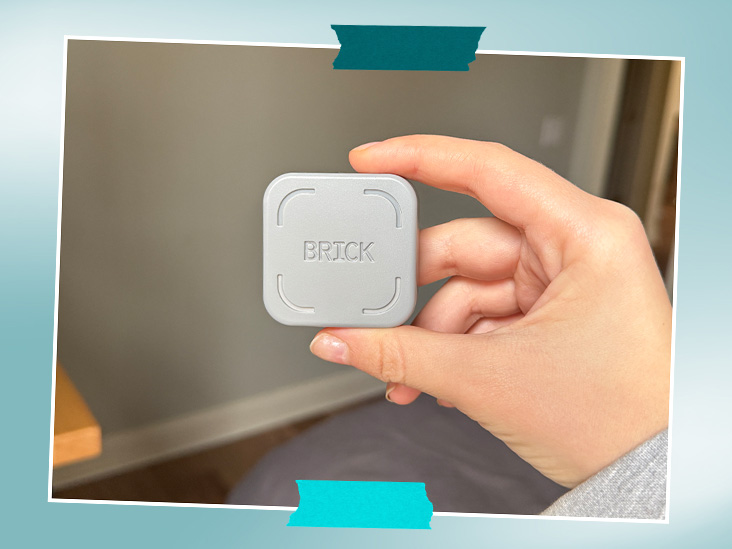 | | The Brick | | If all that research leaves you wanting to put your phone down, willpower might not be enough. The Brick is a small physical device ($59, no subscription) that blocks whichever apps you choose. To unblock, you physically walk back to it and tap your phone. That extra effort is the point. When our team tested it, one reviewer found herself reaching for her phone out of habit, only to find it had nothing to offer. It won't fix everything — some testers saw their screen time migrate to other apps — but as a practical nudge toward reclaiming a little boredom, it's worth a look. | | | Every product we recommend has gone through either Healthline's or Optum Now's vetting processes. If you buy through links on this page, we may receive a small commission or other tangible benefit. Healthline has sole editorial control over this newsletter. Potential uses for the products listed here are not health claims made by the manufacturers. Healthline and Optum Now are owned by RVO Health. | | | | | | | | | | | |   | | | | | | | | Until next time, |  | Take care of yourself, and we'll see
you again soon! | | |  | | |  | | This edition was powered by | | cold and flu remedy. | | | | | | | | View in browser
Did a friend send you this email? Subscribe here.
To see all newsletters, click here.
Privacy | Unsubscribe
We may feature your messages to our inbox within our content. Please do not provide any personal identifiable information. Replies may be edited for length and clarity. For more, see our Privacy Policy.
Our website services, content, and products are for informational purposes only. Healthline does not provide medical advice, diagnosis, or treatment and should not be used as a substitute for medical advice from a healthcare professional. Healthline encourages you to make any treatment decisions with your healthcare professional.
Every product we recommend has gone through either Healthline's or Optum Now's vetting processes. If you buy through links on this page, we may receive a small commission or other tangible benefit. Healthline has sole editorial control over this newsletter. Potential uses for the products listed here are not health claims made by the manufacturers. Healthline and Optum Now are owned by RVO Health.
© 2026 RVO Health
1101 Red Ventures Drive
Fort Mill, SC 29707 | | | | |   | | |
New paintings, workshops, and the artwork preparing for my August exhibition. ͏ ͏ ͏ ͏ ͏ ͏ ͏ ͏ ͏ ...

-
Plus: Kicking off Pride Month with the new Goodnewspaper and more good news to celebrate! ...
-
Plus: A landmark ruling for new fossil fuel projects and more good news to celebrate! ...
-
Plus, a roundup of links and fun finds from the week. ͏ ͏ ͏ ͏ ͏ ͏ ͏ ͏ ͏ ͏ ͏ ͏ ͏ ...
| |


Nema komentara:
Objavi komentar