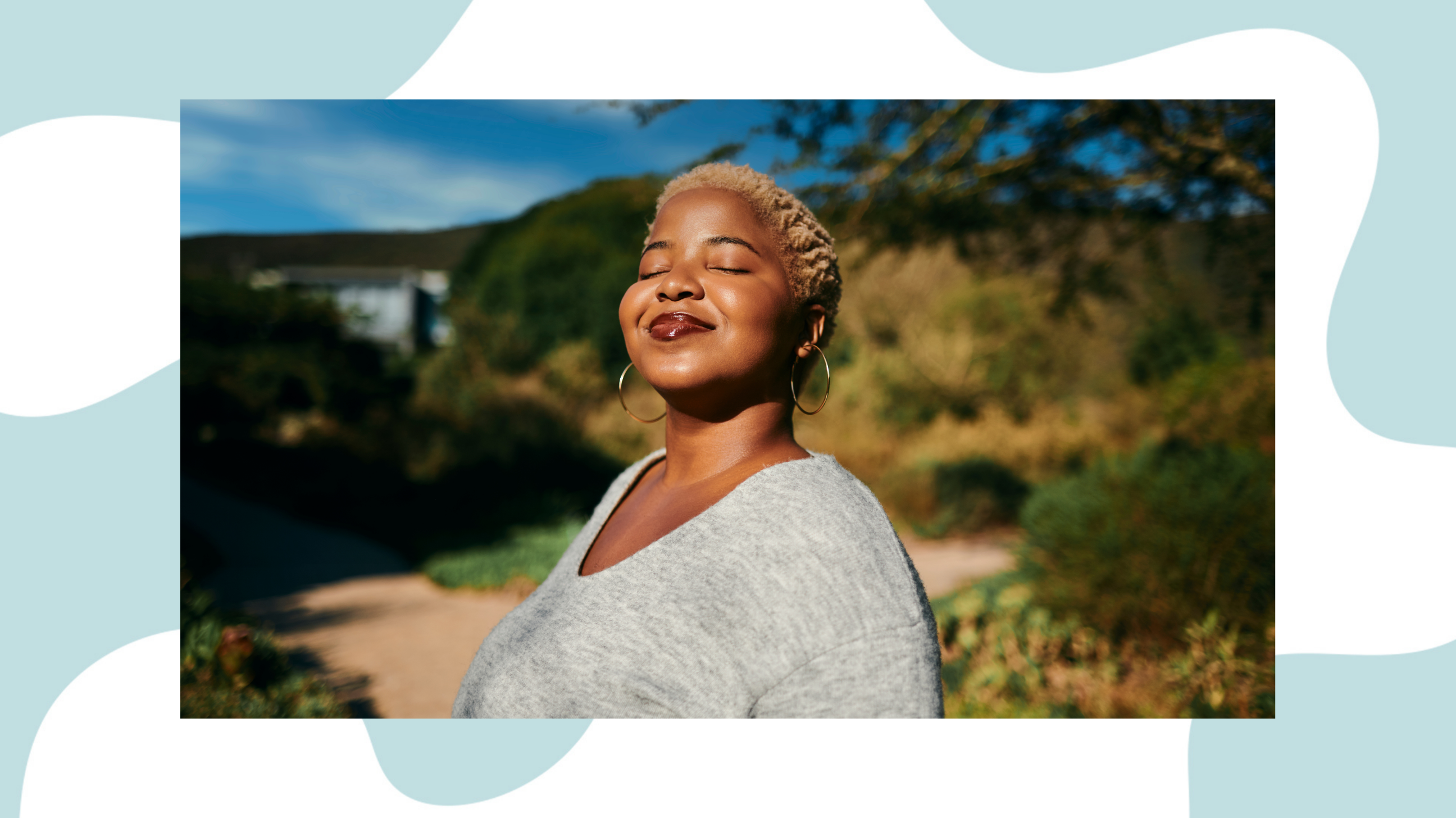
Soak up that summer sun!


͏ ͏ ͏ ͏ ͏ ͏ ͏ ͏ ͏ ͏ ͏ ͏ ͏ ͏ ͏ ͏ ͏ ͏ ͏ ͏ ͏ ͏ ͏ ͏ ͏ ͏ ͏ ͏ ͏ ͏ ͏ ͏ ͏ ͏ ͏ ͏ ͏ ͏ ͏ ͏ ͏ ͏ ͏
|
|
|
|
|
|
| Q: |
How can spending time in the sun help your health? |
|
| A: |
Both sunlight and darkness trigger the release of hormones. So, naturally, the changing seasons and the amount of sun you get per day can affect your well-being. One hormone and neurotransmitter that plays a strong role here is serotonin, which is associated with regulating mood and sleep.
Spending time in the summer sun can improve your mental health by increasing serotonin levels in the brain. Exposure to sunlight can also benefit those with other types of major depression and premenstrual dysphoric disorder (PMDD). It may even support your health in other ways, from helping to build stronger bones to treating certain skin conditions.
Decreased sun exposure has been associated with a drop in serotonin levels, which can lead to major depression with a seasonal pattern. Anxiety-related disorders and panic attacks have also been linked with changing seasons and reduced sunlight.
This is why SAD lamps are often recommended for use at home in colder months with shorter, darker days. One of the main treatments for seasonal depression is light therapy, also known as phototherapy. The light from the box mimics natural sunlight, stimulating the brain to make serotonin and reducing excess melatonin.
While there are plenty of good reasons to soak up the sun this summer, it’s important to protect your skin from potential damage. Remember to apply sunscreen with a sun protection factor (SPF) of at least 15 and wear a protective hat!
To read more about the link between sunlight and your health, check out our full article below. |
|
|
|
| Want to share feedback on today’s newsletter or request a specific mental health topic? Email us at newsletters@healthline.com, and we’ll do our best to cover it in an upcoming edition. |
|
|
|
|
|
|
|
|
| We picked these articles just for you |
|
|
 |
|
|
|
|
|
|
|
|
|
|
|
|
|
| TRY THIS |
| Get Help for Insomnia |
| Insomnia can affect your mood, and anxiety and depression can disrupt your sleep. If you’re having trouble sleeping, find a sleep specialist who can help. |
|
|
|
|
|
|
|
 |
|
|
| We may feature your messages to our inbox within our content. Please do not provide any personal identifiable information. Replies may be edited for length and clarity. For more, see our Privacy Policy. |
Healthline, Optum Now, and their respective logo(s) are trademarks of RVO Health, LLC.
All other trademarks are the property of their respective owners.
© 2026 RVO Health, LLC. All Rights Reserved.
1101 Red Ventures Drive, Fort Mill, SC, 29707 |
|
|
|
If you believe this has been sent to you in error, please safely unsubscribe.







Nema komentara:
Objavi komentar