New research shows Dolly Parton’s Imagination Library had a proven impact on kids all over the world
Launched in 1995, the Imagination Library sends children a free, age-appropriate, culturally inclusive book in the mail every month from birth until their fifth birthday. It’s distributed 318 million books, with 3.4 million books sent out monthly.
It started in Parton’s home county in Tennessee and has since expanded to the entire U.S., Australia, Canada, the U.K., and Ireland. In Australia, 50,000 children get books monthly.
New data collected from over 86,000 caregivers across the five countries where Imagination Library operates showed that children enrolled in the Imagination Library were significantly more likely to display foundational early literacy skills and to develop an interest in reading compared to those not in the program.
Even better: In Australia, when compared to the average Australian child, children in the Imagination Library in a region with 98% participation were found to be read to more often, for longer, and to have more books in the home. Further, these early reading routines were maintained.
Food influencer Keith Lee is distributing food and supplies to Gary, Indiana after storms cause ongoing power outages
Following severe storms in Northwest Indiana earlier this month, thousands of residents in Gary, Indiana remain without power — 12 days later.
As the town’s mayor continues to push the state’s utility company to restore power, and the state and federal government send in relief, two public figures are stepping in to help, too: Food influencer Keith Lee and Indiana Pacers basketball player Tyrese Haliburton.
The pair partnered with the Salvation Army, Ace Hardware, and city officials to host a relief drive for locals, distributing food and supplies, and coming together to enjoy a little music.
Why is this good news? While Lee acknowledged the event wasn’t the same as “turning the power on,” he’s made his fame from uplifting small, independently owned food vendors and restaurants, especially supporting BIPOC communities. Gary is a predominantly Black city, and this effort to give back is no exception.
When you shop small, you create change in your community. And these days, community is more important than ever.
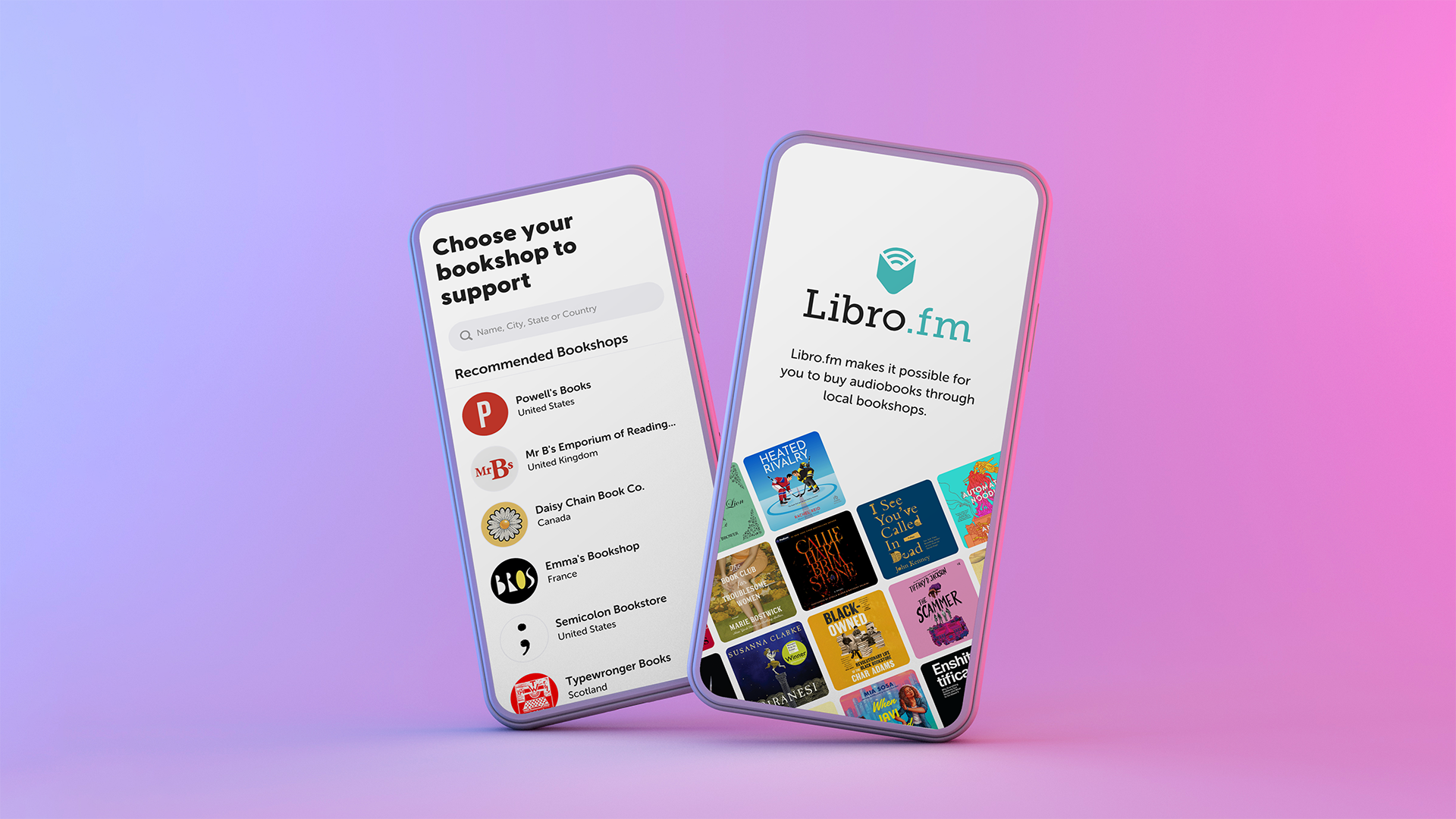
With Libro.fm, you can pick from more than 500,000 audiobooks, including bestsellers and recommendations from real booksellers — not bots.
You'll get the same audiobooks at the same price as the largest audiobook company out there (ahem, Audible), but you’ll be part of a different story — one that supports diverse booksellers, authors, and publishers.
If you start today, you'll get two free audiobooks when you start a Libro.fm membership. Just use code SWITCH at checkout, and you'll have three audiobook credits to redeem from the start!
Our sponsors help keep the Goodnewsletter free — thank you for supporting them when you can!
If you prefer an ad-free experience, become a Good Good Good subscriber.
Animals
Terria Clay/Wildlife Conservation Society
The Bronx Zoo has rescued 800 endangered turtles from an ‘unprecedented surge in trafficking’
Since 2024, the Wildlife Conservation Society’s Bronx Zoo has officially helped rescue and rehabilitate more than 800 North American box turtles saved from the illegal wildlife trade.
In partnership with the United States Fish and Wildlife Service, the zoo has been a lifeline for the endangered turtles since October 2024, in what officials call “an unprecedented surge in turtle trafficking.”
Many of the turtles arrive at the zoo severely dehydrated, emaciated, injured, or suffering from disease after rough handling and enduring poor transport and holding conditions.
Why is this good news? Box turtles are a “long-lived” animal, which means they mature slowly and have low reproductive rates. Wild populations struggle to replace adults that are trafficked and taken out of their natural environments. Experts at the zoo give these turtles the best possible chance to recover.
California’s new ‘tire efficiency’ rules will save drivers $1 billion a year and reduce 2 million tons of carbon emissions
California just became the first U.S. state to address a problem most people don’t know they have: inefficient tires.
When automakers design a new vehicle, low rolling resistance tires are one of the least expensive ways to improve fuel economy. When they are replaced, the “new” tires are often less efficient, causing internal combustion engine vehicles to burn more gasoline and EVs to need more electricity.
California’s new rule is “designed to ensure that replacement tires sold in the state are at least as energy efficient, on average, as tires sold in the state as original equipment.” It also establishes a labeling system that gives tires a “leaf” rating, to make it easier for consumers to find the best options.
Why is this good news? In addition to saving drivers money, the state projects that the changes could reduce carbon dioxide emissions by 2 million tons annually, which it says is equivalent to taking around 400,000 cars off the road.
For one day only, 100 Michelin-star restaurants are hosting a ‘pay what you can day’
A simple idea born during the COVID-19 pandemic has spurred a global movement designed to make fine dining more accessible.
In Mexico City, the Michelin-starred restaurant Masala y Maíz created “Paga Lo Que Puedas,” or Pay What You Can, as a one-off experiment. But after massive success, husband-and-wife co-founders Norma Listman and Saqib Keval made it a recurring event every year on August 26.
Last year, 20 other Mexico City restaurants joined in. Today, for this year’s Pay What You Can Day, 100 other restaurants from 14 countries will join Masala y Maíz in the offering.
Why is this good news? Masala y Maíz’s initiative began during the COVID-19 pandemic, when household finances were strained, and unemployment had reached historic highs. Listman and Keval demonstrated that a “pay what you can” model could succeed even within the world of Michelin-starred dining — challenging the notion that exceptional food and hospitality should be reserved for those who can afford it.
You are currently a free subscriber to the Goodnewsletter. To get an ad-free Goodnewsletter, get a monthly Goodnewspaper, support good news journalism, and more — become a paid subscriber.
Get good news in your Google Search results in just two clicks!
Need help? Contact us for assistance. We’ve got your back.
You received this email because you signed up for the Goodnewsletter from Good Good Good — or because you followed a recommendation from another newsletter or ordered a Goodnewspaper.
To stop receiving The Goodnewsletter, unsubscribe. To opt in or out of other emails from Good Good Good, manage your email settings. To stop receiving all emails from Good Good Good — which may potentially include paid subscriber-exclusive content — you can opt out entirely.



Nema komentara:
Objavi komentar