Researchers in the DRC launched and enrolled patients in an Ebola treatment trial in just six weeks
After the World Health Organization declared the ongoing Ebola outbreak a global health emergency, researchers launched a record-fast clinic trial in the Democratic Republic of the Congo.
The outbreak is caused by the Bundibugyo strain, which currently has no approved treatment or vaccine. The trial is testing two promising antiviral drugs that could change that.
The response is reliant on the basic techniques of identifying cases, isolating them for care, and tracking and monitoring people they have been in contact with. Patients of any age, including pregnant and breastfeeding women, who are often excluded from medical research, can enroll in the trial.
Even better: In addition to the unprecedented speed of this clinical trial, its scale is also noteworthy. While the study could prove lifesaving for the more than 1,000 participants aged 12 and older who are enrolled, its greatest impact may be on the countless people who benefit from the knowledge and treatments it helps establish.
To impose the moratorium, Hochul will be temporarily pausing state environmental permits for up to one year. The goal in this time, her office reports, is to build a regulatory framework designed to “protect ratepayers, the environment, the energy grid, and communities across the state.”
Another piece of the executive order includes the development of a Community Investment Framework, which will provide guidance to local entities to help them negotiate community benefits as part of any data center development.
Why is this good news? Critics of these large-scale data centers, which are sweeping the country at an unprecedented rate, cite environmental, health, and energy cost concerns, and have been sounding the alarm to local governments to take action to enact bans or moratoriums to slow things down in the interest of both people and the planet. New York is answering that call.
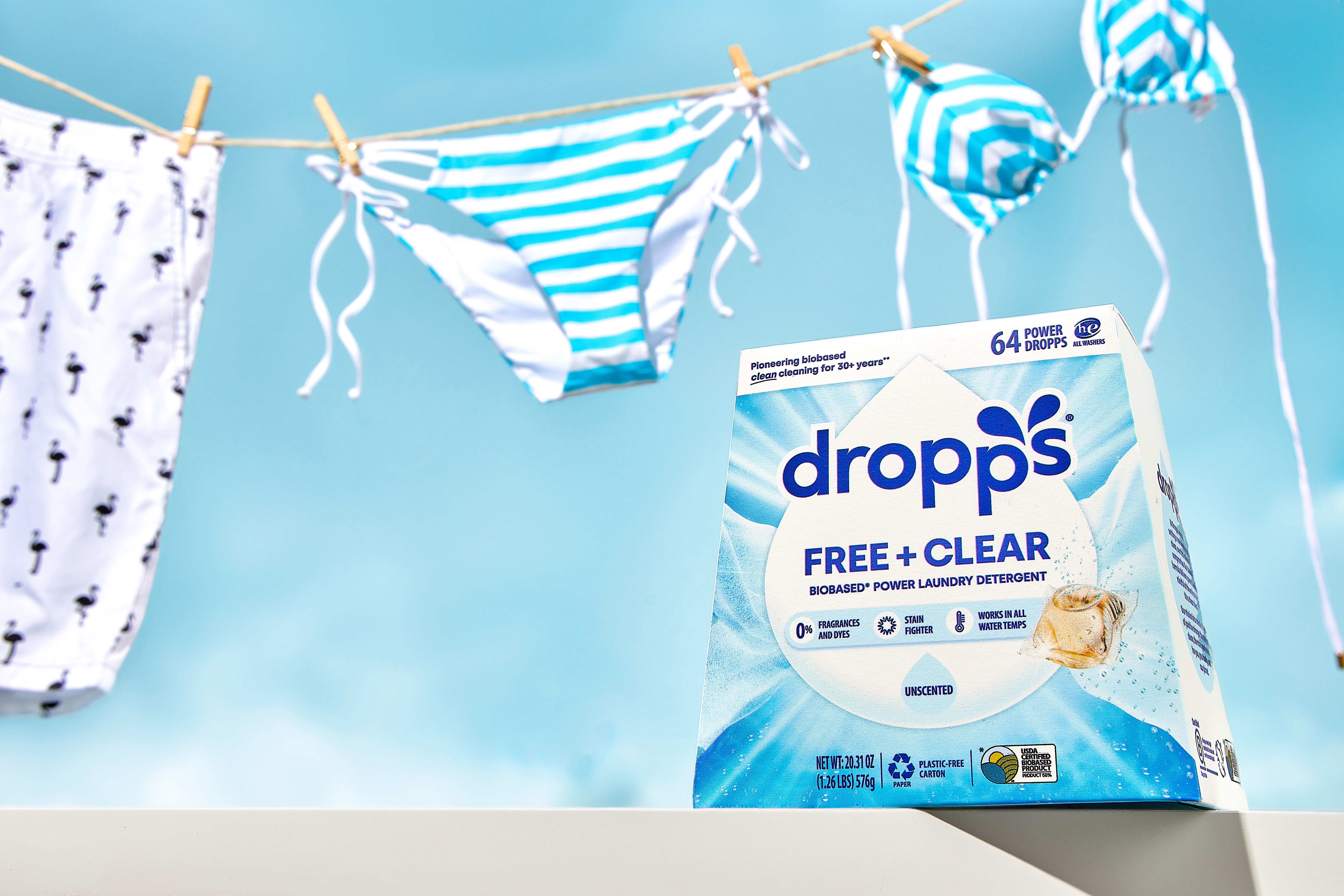
Every Dropp is formulated with the latest cleaning technology to get the job done right the first time, and every time.
Plus, it's a clean you can feel good about, with bio-based formulas, recyclable paperboard packaging, and all carbon emissions offset.
Dropps is a certified cruelty-free B Corp and has saved 2,375,000+ gallons of water since its inception.
Feel the difference and make a difference today. To celebrate Plastic-Free July, all new customers can use code GOOD25 to take 25% off through the end of this month.
Our sponsors help keep the Goodnewsletter free — thank you for supporting them when you can!
If you prefer an ad-free experience, become a Good Good Good subscriber.
Education
Ed Reed/Mayoral Photography Office
NYC public schools invest $67.5M in special education programs amid federal budget cuts
While families across the country fear the needs of their children with disabilities will go unmet as the Department of Education continues to be dismantled, New York City Public Schools, the nation’s largest school system, is investing $67.5 million in special education.
Young learners will be able to participate in three programs designed specifically for students with autism, which previously were only available to K-12 students, as well as access to initiatives for students with emotional disabilities or in need of adapted academics and life-skills training.
The programs will be available starting in the fall in 14 of the city’s 32 community school districts, the majority of which are located in areas with some of the highest concentrations of working-class and immigrant families in the city.
Why is this good news? All students, regardless of ability, deserve quality public education that meets their learning needs, and they deserve to receive it in their community. This historic investment will help ensure students with disabilities can receive that quality education at their local public school.
Red wolf pups just made their debut in North Carolina, signaling a comeback for the endangered species
Four litters of red wolf pups, the most endangered wolf species in the world, have been born in North Carolina so far this year, and between 12 and 16 pups survived their first few months of life.
One of the litters was born on private land owned by a member of the Prey for the Pack Program, which financially supports landowners who allow red wolves on their property, while the other three were born in the wild.
North Carolina is home to the only wild population of red wolves in the world, after conservationists reintroduced them in 1987 in the first-ever carnivorous species declared extinct to be successfully reintroduced.
Why is this good news? Red wolves were hunted nearly to extinction in the 1970s, but began making a recovery through the federal Endangered Species Act, the Red Wolf Recovery Program, and the Saving Animals from Extinction Program. These newest additions are a critical conservation milestone for the species.
A food mobile in Ohio provides free meals to hundreds of kids who would otherwise go without over the summer
Children’s Hunger Alliance has four weekly mobile routes and about 145 meal sites throughout the state of Ohio where it distributes ready-to-eat meals for families to take home to their children.
The shelf-stable meals include five days' worth of breakfasts, dinners, milk, and snacks. The mobile routes also offer fruit bags with apples and oranges this summer.
Why is this good news? More than 505,000, or 1 in 5, Ohio children struggle with hunger, and summer is typically the hungriest time of the year for students who would typically receive free or reduced meals at school.
This mobile food service makes sure these children continue to receive essential nutrition even when school is out.
You are currently a free subscriber to the Goodnewsletter. To get an ad-free Goodnewsletter, get a monthly Goodnewspaper, support good news journalism, and more — become a paid subscriber.
Get good news in your Google Search results in just two clicks!
Need help? Contact us for assistance. We’ve got your back.
You received this email because you signed up for the Goodnewsletter from Good Good Good — or because you followed a recommendation from another newsletter or ordered a Goodnewspaper.
To stop receiving The Goodnewsletter, unsubscribe. To opt in or out of other emails from Good Good Good, manage your email settings. To stop receiving all emails from Good Good Good — which may potentially include paid subscriber-exclusive content — you can opt out entirely.



Nema komentara:
Objavi komentar