Scientists are testing which tree species combinations best support flourishing, biodiverse forests
Countries around the world have committed to massive tree-planting initiatives, but some of them have been poorly designed and managed. A new research project hopes to make them as effective as possible.
Ecologists at the Smithsonian Environmental Research Center in Maryland are building a 22-acre forest of carefully planned plots of varying tree species combinations to test how it affects their growth and the surrounding environmental benefits.
It’s part of the Functional Forests project, which will plant 33,518 saplings from 20 different species in 200 different sections to study various reforestation goals like fire resistance, climate resiliency, attracting wildlife, supporting pollinators, producing food, and more.
Why is this good news? Large forests support biodiversity, prevent erosion, protect water quality, absorb massive amounts of carbon, cool the surrounding environment, and may even boost mental and physical health.
Humans deforest about 25 million acres every year, a pace that isn’t sustainable. To save time, money, and resources, we need to reforest in a way that best supports their flourishing.
Australian research students came together to save 500 turtles found in a dying lake
A group of students from La Trobe University — a research university in Melbourne — discovered 500 freshwater turtles living in the Imperial Lakes Nature Park.
Two of the species discovered have faced population declines due to habitat loss and water quality issues related to climate change. And these turtles were facing the same: the lakes were on the verge of drying up for the first time in their 130-year history.
The research students put out a nationwide call for emergency funds to save the lakes and turtles, and ultimately, it raised more than $100,000 AUD (roughly $72,406 USD) — enough to help keep the lakes full through the next dry period.
Even better: Before these turtles were discovered and saved, there was very little data available on turtle populations in arid areas. Now, researchers have a much better grasp on the turtles living in the river systems and how to protect and save them.
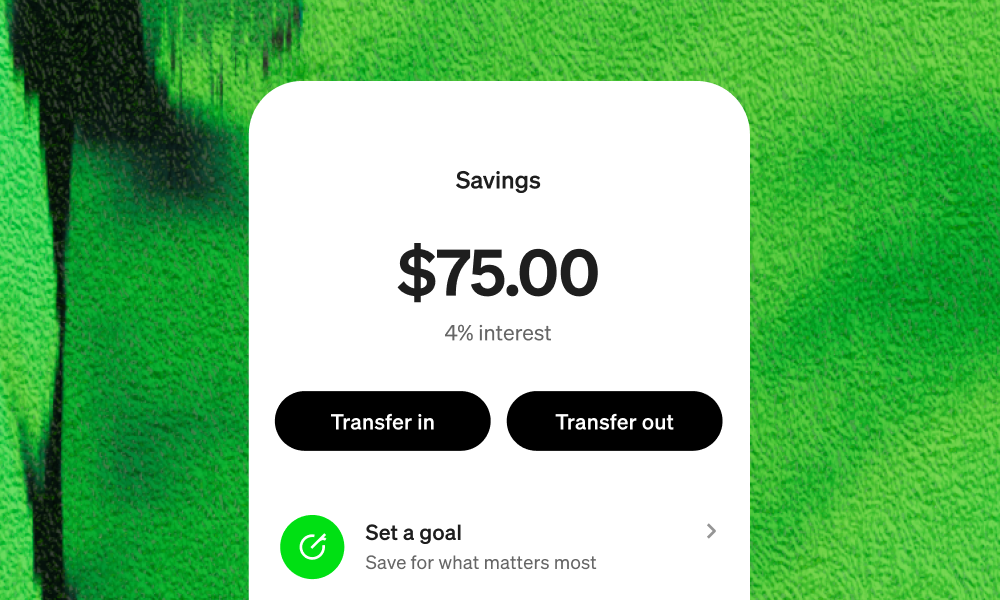
Make saving automatic with Cash App. Round up your spare change from every purchase, earn up to 3.5% interest, and transfer money between your balances whenever you want — all with no hidden fees or minimum balance requirements.
Make unlimited transfers between your Cash and Savings balances. Keep your money safe with 24/7 fraud monitoring and built-in security features. Saving is easier with Cash App.
Cash App is a financial services platform, not a bank. Banking services provided by Cash App’s bank partner(s). Prepaid debit cards issued by Sutton Bank, Member FDIC. See Terms & Conditions. Eligibility restrictions apply to some benefits. See Terms and Conditions for more information.
Our sponsors help keep the Goodnewsletter free — thank you for supporting them when you can!
If you prefer an ad-free experience, become a Good Good Good subscriber.
Clean energy
AP Photo/Joshua A. Bickel
A solar ranch in Tennessee is aiming to prove that grazing cattle under panels is a win-win for the land, farmers, and animals
On a 40-acre farm near Nashville, a pilot project is aiming to prove that cattle-grazing is the next frontier in agrivoltaics, which has so far mostly only involved growing crops or grazing sheep beneath solar panels.
The site has addressed challenges that past solar installations have faced on cattle grazing land. With software upgrades that allow farmers more manual control, the panels shade for the cows, keeping them cooler and requiring less water to drink, and help the soil below retain moisture, too.
If it’s successful, it could help jump-start new projects to meet the rapidly rising energy demands, without adding more carbon emissions, and help ranchers maintain their land and earn a significant amount of money for leasing the land to solar companies.
Why is this good news? The U.S. and the world need to rapidly expand clean energy sources to speed up the clean energy transition. The U.S. has significantly more cows than sheep, and farmland is often ideal for solar farm installation, but it can’t come at the expense of farmers’ livelihoods. This project could be a solution to both.
‘Law & Order: SVU’ star Mariska Hargitay has now helped pass laws to end rape kit backlogs in all 50 U.S. states
On the set of “Law & Order: Special Victims Unit,” Mariska Hargitay’s eyes were opened to the pressing realities of sexual assault, domestic violence, and child abuse in the United States.
She started the Joyful Heart Foundation in 2004 to help make a difference, most notably through its “End The Backlog” campaign. After 16 years of the program, Hargitay announced that Maine became the final state to have enacted at least one pillar of rape kit reform in “a watershed moment.”
Why is this good news? Rape kits consist of the evidence collected by a professional after the examination of someone who has survived sexual assault, but they often end up in long queues for processing. Hargitay’s foundation estimates there are still 100,000 untested rape kits yet to be discovered across the country — these laws will help change that.
In a ‘historic breakthrough,’ 59 countries backed voluntary roadmaps to wean the world off of fossil fuels
At the first “Transitioning Away from Fossil Fuels” conference held in and hosted by Colombia, governments were asked to develop “roadmaps” for ending the production and use of fossil fuels, which will serve as the foundation for a new initiative to wean the world off coal, oil, and gas.
Almost half of the countries that attended produce fossil fuels, and will provide plans for winding down their output. All participants agreed to support poorer countries in developing their roadmaps, reassess fossil fuel subsidies, and more.
Why is this good news?For years, the marquee UN climate conference failed to produce clearly defined goals and action steps to phase out fossil fuels. In just its first year, this new conference achieved historic agreements and breakthroughs to hold countries accountable.
You are currently a free subscriber to the Goodnewsletter. To get an ad-free Goodnewsletter, get a monthly Goodnewspaper, support good news journalism, and more — become a paid subscriber.
Get good news in your Google Search results in just two clicks!
Need help? Contact us for assistance. We’ve got your back.
You received this email because you signed up for the Goodnewsletter from Good Good Good — or because you followed a recommendation from another newsletter or ordered a Goodnewspaper.
To stop receiving The Goodnewsletter, unsubscribe. To opt in or out of other emails from Good Good Good, manage your email settings. To stop receiving all emails from Good Good Good — which may potentially include paid subscriber-exclusive content — you can opt out entirely.



Nema komentara:
Objavi komentar