Real, messy hope delivered to your inbox daily, from Good Good Good.
Sponsored by
in the headlines...
🧠 May is Mental Health Awareness Month! While it’s important to celebrate and prioritize mental health every day of the year, this month serves as a catalyst to learn more, seek help, offer support, and more. Here are some ways to do that all month long!
Defying last-minute lobbying, Amsterdam is the world’s first capital city to ban fossil fuel and meat advertisements
Starting May 1, advertising for high-carbon products and services, like flights, petrol and diesel vehicles, gas heating contracts, and meat products, will be prohibited in all public spaces in Amsterdam.
In 2020, the city made a landmark decision to voluntarily exclude fossil fuel ads from metro stations — but this new law goes even further, and was passed in defiance of last-minute lobbying from the world’s largest outdoor advertising operator.
There are a few exceptions for existing advertising contracts, and Dutch activists now want to see similar laws implemented at the national level.
Why is this good news?One of the law’s backers was Creatives for Climate, a global network of advertising professionals, which summarized it well: “Advertising doesn’t just sell products, it grants social license … promoting fossil fuels undermines climate action and public trust.”
Advertising products that the world needs less of is counterintuitive and contradicts government commitments to clean energy.
The tiny plastic particles are released from car tires, paint, textiles, and degrading plastic packaging, and have been gathering in water systems for decades.
This solution is thought to have been used by Ancient Egyptians to sterilize water. The plant grows quickly, is drought-resistant, has low water requirements, supports biodiversity, and acts as a carbon sink. Offering a plant-based alternative to removing microplastics, it’s potentially less costly and energy-intensive, too.
Why is this good news? These microplastics are not only one of the most harmful plastic types for human health — having been linked to cancer, heart attacks, and reproductive issues — they can also absorb and transport other harmful pollutants throughout ecosystems.
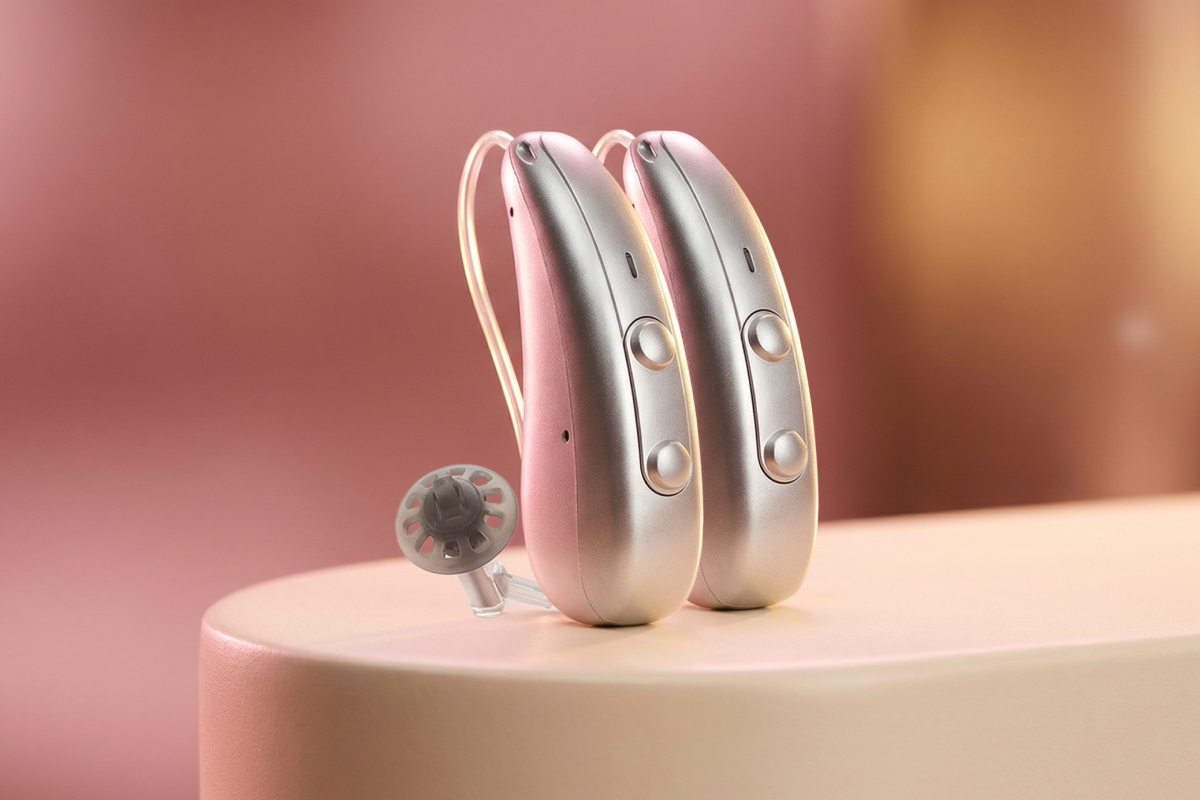
When your hearing struggles, your brain works overtime to fill in the gaps, which can affect memory, focus, and energy over time. Horizon IX from hear.com lightens that load.
This tiny, virtually invisible device uses advanced German dual‑processing technology to separate speech from background noise, so conversations feel effortless again.
Built for modern life and all‑day comfort, it’s available with a 45‑day no‑risk trial so you can hear the difference for yourself.
Our sponsors help keep the Goodnewsletter free — thank you for supporting them when you can!
If you prefer an ad-free experience, become a Good Good Good subscriber.
global health
UNICEF/UNI785261/Khayyam
A historic vaccination ‘catch-up’ campaign has delivered over 100 million vaccine doses to over 18 million children
A global, multi-year initiative from UNICEF, Gavi, the Vaccine Alliance, and the World Health Organization called the “Big Catch-Up” aimed to vaccinate missed children and strengthen routine immunization.
Now, the initiative has officially delivered over 100 million doses to over 18 million children in 36 countries over the course of two years. These children will now be protected from multiple vaccine-preventable diseases.
Over 12 million of the children had never received any vaccines, and about 15 million of the children had never received a measles vaccine.
What’s the nuance?While this is a historic achievement that will result in countless lives saved, more than 14 million infants still miss out on receiving vaccines every year. Global cooperation, political will, and funding have shown us what’s possible — and we need to continue investing in these initiatives to protect children from preventable diseases.
The reefs are located across the Houtman Abrolhos archipelago, and apart from a few patches, there weren’t even signs of stress in the reef. Just a bit further north, up to 60% of corals died in the same heatwaves.
Prolonged heat stress can lead to “bleaching,” which is when corals expel the symbiotic algae that live in their tissues, which provide most of their food and their coloring.
Why is this good news? Researchers are hopeful that by studying these corals, they’ll learn more about extreme heat tolerance that could help protect reefs all over the world, which are increasingly endangered by the climate crisis and warming waters.
The species had been on the decline for decades, with a number of efforts to restore it via replanting, but nothing was as effective as removing the pollutants causing the issue in the first place.
The authors of the study said the results showed the effectiveness of “passive restoration” — letting seagrass meadows regrow on their own after removing the human-caused reasons for their decline, rather than continued active interventions like replanting or transplanting.
Why is this good news?Neptune grass is considered the most ecologically important seagrass and is endemic to the Mediterranean Sea. It provides a critical shallow-water habitat, and seagrasses are renowned for their superior ability to capture and store carbon dioxide, making them a critical partner in fighting climate change.
We’re thrilled to announce: The Storytelling Edition
Stories come in all shapes and sizes — from books, poetry, films, and podcasts, to ancestral folklore, artifacts, and the beliefs we pass down. And they are about everything that makes us human.
We are all natural storytellers who want to be seen, heard, and documented. The Storytelling Edition of The Goodnewspaper reminds us why that innate human need — and skill — is so vital to building a better future for us all.
You are currently a free subscriber to the Goodnewsletter. To get an ad-free Goodnewsletter, get a monthly Goodnewspaper, support good news journalism, and more — become a paid subscriber.
Get good news in your Google Search results in just two clicks!
Need help? Contact us for assistance. We’ve got your back.
You received this email because you signed up for the Goodnewsletter from Good Good Good — or because you followed a recommendation from another newsletter or ordered a Goodnewspaper.
To stop receiving The Goodnewsletter, unsubscribe. To opt in or out of other emails from Good Good Good, manage your email settings. To stop receiving all emails from Good Good Good — which may potentially include paid subscriber-exclusive content — you can opt out entirely.



Nema komentara:
Objavi komentar