My health hasn't crashed, and I worry less about it.
͏ ͏ ͏ ͏ ͏ ͏ ͏ ͏ ͏ ͏ ͏ ͏ ͏ ͏ ͏ ͏ ͏ ͏ ͏ ͏ ͏ ͏ ͏ ͏ ͏ ͏ ͏ ͏ ͏ ͏ ͏ ͏ ͏ ͏ ͏ ͏ ͏
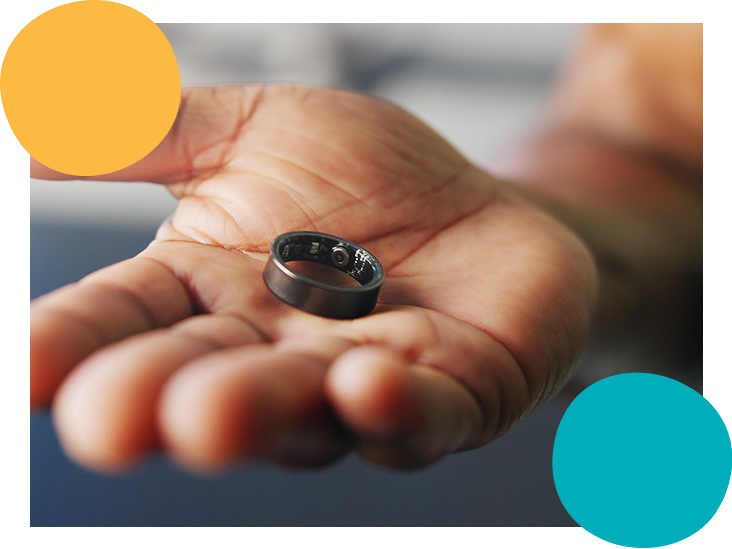
| | | | The ring I wore to track my health broke down before Christmas. It stopped syncing with the app on my phone, and after a couple of fruitless troubleshooting sessions, I put it in a drawer. That was 2 months ago, and I've no plans to replace it. Better weather is coming, so I know I'll be walking, cycling, and generally living a more active life regardless of what an app tells me.
What has changed: I no longer receive daily notifications that it's time to drink coffee, that I've taken too few steps today, or that I'm older than my years. And it feels good. | | | | | | | Let's look into it,
Tim Snaith
Newsletter Editor, Healthline |  | | Written by Tim Snaith
March 4, 2026 • 3 min read | | | | | | | |
| |  | | | | Don't let the dashboard distract you from the drive | | I want to be fair to fitness trackers: they do increase physical activity in older adults. A 2025 meta-analysis confirmed that tracking increases daily steps and moderate-to-vigorous activity in people over 60. New research suggests sleep data from wearable devices can flag depression relapses weeks before they happen. | | The technology does have genuine clinical promise. But there may be psychological costs for this progress. | | A 2024 study compared people with atrial fibrillation who used wearable health trackers to those who did not. The wearable group reported significantly higher preoccupation with their symptoms and greater concerns about their treatment. About 1 in 5 experienced intense anxiety after receiving an irregular rhythm notification and went on to use more healthcare resources without any change in treatment. | | Another case study described a 70-year-old woman with paroxysmal atrial fibrillation (AFib) who took 916 ECG recordings in 1 year using her smartwatch. She was asymptomatic and already on appropriate medication, and none of those nearly 1,000 recordings altered her care. But overmonitoring did trigger one new diagnosis: illness anxiety disorder (aka health anxiety), which took six sessions of cognitive behavioral therapy (CBT) to resolve it. | | Separate research has also found that fitness trackers can interfere with pacemakers and implanted cardiac devices, adding another consideration for readers with existing heart conditions. | | Personality plays a role, too. Research found that people low in conscientiousness were more prone to tracker-related guilt and anxiety, while perfectionists who set rigid step or sleep goals tended to spiral when they missed targets. | | My experience falls somewhere in the anxious middle. I liked knowing my resting heart rate trend, especially as the number went down. I didn't like it when my heart age occasionally exceeded my chronological age. Now I never give either number a thought. | | If your tracker motivates you without stressing you, keep it. If you're checking your heart rate several times a day or booking appointments based on watch alerts, it could be time to take a break. After all, your body sends its own signals, and you don't need a subscription to access them. | | | | Over to you: Do you wear a fitness tracker or monitor your health in some way? Does it help or make you feel anxious sometimes? Email wellnesswire@healthline.com and let us know. | | | | |   | | | | | | | | Until next time, |  | Take care of yourself, and we'll see
you again soon! | | |  | | |  | | This edition was powered by | | listening to my body. | | | | | | | | View in browser
Did a friend send you this email? Subscribe here.
To see all newsletters, click here.
Privacy | Unsubscribe
We may feature your messages to our inbox within our content. Please do not provide any personal identifiable information. Replies may be edited for length and clarity. For more, see our Privacy Policy.
Our website services, content, and products are for informational purposes only. Healthline does not provide medical advice, diagnosis, or treatment and should not be used as a substitute for medical advice from a healthcare professional. Healthline encourages you to make any treatment decisions with your healthcare professional.
Every product we recommend has gone through either Healthline's or Optum Now's vetting processes. If you buy through links on this page, we may receive a small commission or other tangible benefit. Healthline has sole editorial control over this newsletter. Potential uses for the products listed here are not health claims made by the manufacturers. Healthline and Optum Now are owned by RVO Health.
© 2026 RVO Health
1101 Red Ventures Drive
Fort Mill, SC 29707 | | | | |   | | |
To get to the watermelon salad, of course! ͏ ͏ ͏ ͏ ͏ ͏ ͏ ͏ ͏ ...

-
Plus: Kicking off Pride Month with the new Goodnewspaper and more good news to celebrate! ...
-
Plus: A landmark ruling for new fossil fuel projects and more good news to celebrate! ...
-
And a job board for work in the food industry ͏ ͏ ͏ ͏ ͏ ͏ ͏ ͏ ͏ ͏ ͏ ͏ ͏ ͏ ...
| |


Nema komentara:
Objavi komentar