New research links addictive viewing to loneliness.
͏ ͏ ͏ ͏ ͏ ͏ ͏ ͏ ͏ ͏ ͏ ͏ ͏ ͏ ͏ ͏ ͏ ͏ ͏ ͏ ͏ ͏ ͏ ͏ ͏ ͏ ͏ ͏ ͏ ͏ ͏ ͏ ͏ ͏ ͏ ͏ ͏
| | | | | According to a new study, loneliness may be the hidden driver behind compulsive binge-watching and the key difference between someone who enjoys a TV marathon and someone who can't stop pressing play. What looks like harmless comfort viewing may actually reinforce the isolation it's meant to relieve. Now, researchers think they've identified how that cycle works. | | | | | | | Let's look into it,
Tim Snaith
Newsletter Editor, Healthline |  | | Written by Tim Snaith
February 18, 2026 • 3 min read | | | | | | | |
| | 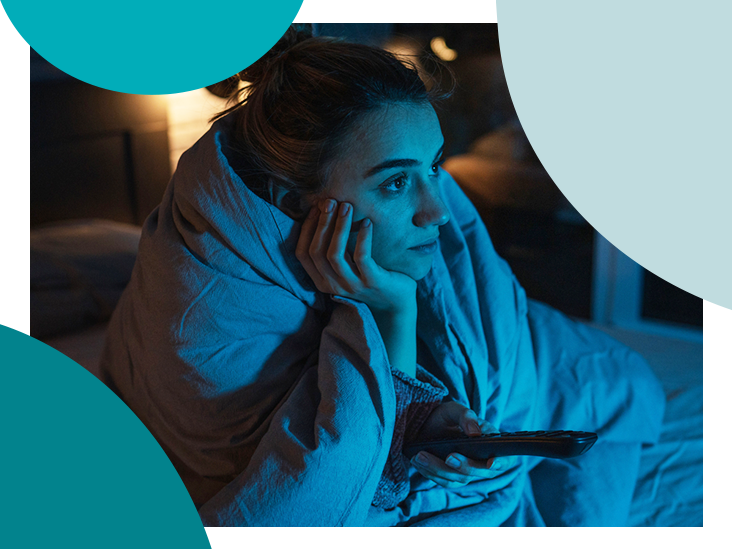 | | | | The loneliness loop hiding in your watchlist | | Most of us have lost an evening (maybe several!) to a good series, and don't think twice about it. But a study published last month suggests that for some viewers, binge-watching is less entertainment than emotional medication, and loneliness is the condition it's treating. | | Researchers at Huangshan University surveyed 551 regular binge-watchers and split them into two groups using the Problematic Series Watching Scale, a validated tool that scores people on 6 addiction markers, including whether viewing dominates their thoughts, whether they need longer sessions for the same satisfaction, and whether they've tried to cut back and failed. | | About 61% of participants cleared the addiction threshold. Within that group, loneliness strongly predicted how severe their compulsive viewing was. But among frequent viewers who didn't meet the threshold, loneliness had no measurable effect. For one group, the viewing was driven by loneliness; for the other, it was just how they spent Tuesday night. | | The researchers also identified two emotional pathways that feed addictive viewing: escapism (using a show to avoid feeling bad) and emotional enhancement (watching to feel good). In lonely viewers, both operated at once. Simultaneously fleeing discomfort and chasing comfort makes watching the next episode feel necessary, not just entertaining. | | This was a snapshot study of a relatively small sample, not a long-term tracking effort, so it shows association rather than a firm causal link. The participants were all Chinese adults, and the research focused only on series viewing, not short-form content like YouTube or TikTok. Still, it aligns with a 2022 meta-analysis that found significant links between binge-watching and stress, anxiety, and sleep problems across multiple countries. | | So nobody needs to cancel their streaming subscriptions over this. Marathoning a show with a partner or talking about it with friends can actually strengthen social bonds. The question worth asking is whether you're choosing to watch, or just falling into it again, and whether you feel better or worse when the screen finally goes dark. If you fall into the latter group, it may be time to speak with a therapist or dabble in new hobbies that can better support your well-being. | | | | Over to you: Are you prone to marathoning, or is your screentime under control? Email wellnesswire@healthline.com and let us know. | | | | |   | | | | | | | | Until next time, |  | Take care of yourself, and we'll see
you again soon! | | |  | | |  | | This edition was powered by | | matcha and cranberry gummies. | | | | | | | | View in browser
Did a friend send you this email? Subscribe here.
To see all newsletters, click here.
Privacy | Unsubscribe
We may feature your messages to our inbox within our content. Please do not provide any personal identifiable information. Replies may be edited for length and clarity. For more, see our Privacy Policy.
Our website services, content, and products are for informational purposes only. Healthline does not provide medical advice, diagnosis, or treatment and should not be used as a substitute for medical advice from a healthcare professional. Healthline encourages you to make any treatment decisions with your healthcare professional.
Every product we recommend has gone through either Healthline's or Optum Now's vetting processes. If you buy through links on this page, we may receive a small commission or other tangible benefit. Healthline has sole editorial control over this newsletter. Potential uses for the products listed here are not health claims made by the manufacturers. Healthline and Optum Now are owned by RVO Health.
© 2026 RVO Health
1101 Red Ventures Drive
Fort Mill, SC 29707 | | | | |   | | |
Plus: Type 2 Diabetes: How Long Does It Take for Insulin to Work? ͏ ͏ ͏ ͏ ͏ ͏ ͏ ...

-
Plus: Kicking off Pride Month with the new Goodnewspaper and more good news to celebrate! ...
-
Plus: A landmark ruling for new fossil fuel projects and more good news to celebrate! ...
-
And a job board for work in the food industry ͏ ͏ ͏ ͏ ͏ ͏ ͏ ͏ ͏ ͏ ͏ ͏ ͏ ͏ ...
| |


Nema komentara:
Objavi komentar